
Some Common Christmas Plants Deadly to Cats, Dogs
As families prepare their homes for the festive season, our friends at animal software platform Creatures (https://creatures.com/) is alerting pet owners to the hidden dangers lurking in popular Christmas decorations, with several seasonal plants posing serious health risks to cats and dogs.
Elliott Garber, founder of Creatures, has commented,
“The Christmas period brings an influx of seasonal plants into our homes, many of which look beautiful but can pose serious dangers to our pets,” Elliott Garber, founder of Creatures, said. “While most pet owners are aware that poinsettias can cause mild irritation, far fewer realize that plants like mistletoe, buckeye nuts, amaryllis, and especially lilies can be genuinely life-threatening, particularly to cats. If you already have these plants and can’t remove them, pet-safe bitter sprays like Bitter Apple can be applied directly to leaves and stems. These non-toxic sprays taste extremely unpleasant to pets but won’t harm plants. However, these deterrents should never replace proper supervision and placement, they’re simply an additional safety measure.”
Does that mean homes have to be devoid of Christmas fauna? Not necessarily.
“There are excellent pet-friendly alternatives available. Christmas cacti, bromeliads, orchids, and roses (without thorns) are all considered non-toxic options that provide festive color without worry,” Garber said. “For traditional greenery like holly and mistletoe, consider high-quality artificial versions.”
And what do you do if your pet has a problem?
“If you suspect your pet has consumed any part of a toxic plant, contact your veterinarian or emergency pet poison helpline immediately – don’t wait for symptoms,” Garber emphasized. “Early intervention can make the difference between a full recovery and a tragedy. The festive season should be joyful for every member of the family, including our four-legged friends.”
With 69 percent of Indiana households owning pets, this holiday warning affects the vast majority of families across the state. For first-time pet owners celebrating their inaugural Christmas with a new cat or dog, understanding these hidden dangers is essential as many traditional holiday plants that seem harmless can pose serious threats to curious pets.
1 – Mistletoe
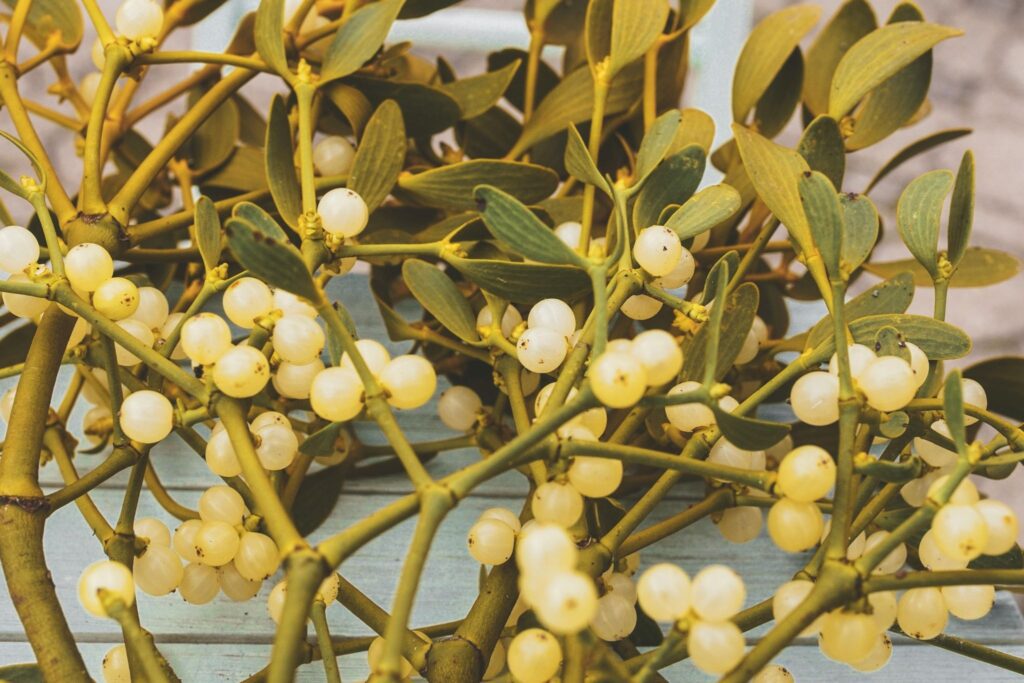
Photo: Pexels/suju-foto
While mistletoe is synonymous with Christmas romance, both European and American varieties contain toxins that can cause vomiting, diarrhea, low blood pressure, breathing difficulties, and decreased heart rate in cats and dogs. Typically hung in doorways or woven into wreaths, mistletoe’s placement at varying heights makes it accessible to curious pets throughout the holiday season.
2 – Holly
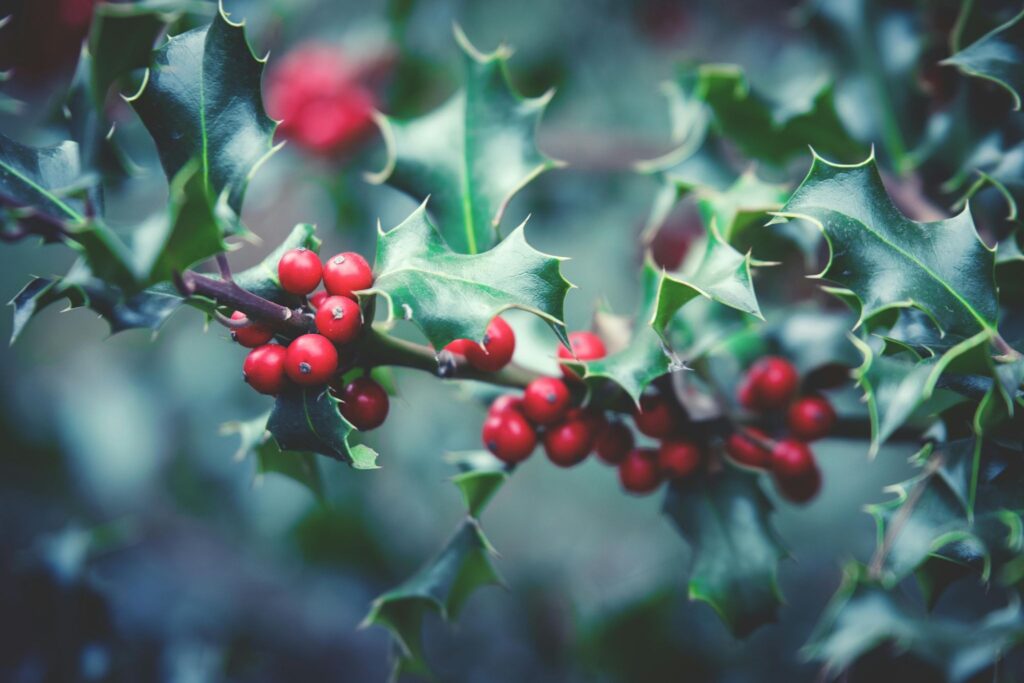
Photo: Pexels/Lum3n
Holly’s glossy leaves and vibrant red berries make it a Christmas staple, but the berries, leaves, and stems contain saponins that cause vomiting, diarrhea, drooling, and lethargy in pets. The spiky leaves present an additional choking hazard, and berries frequently fall from decorations, rolling across floors where pets can easily find them.
3 – Christmas Trees
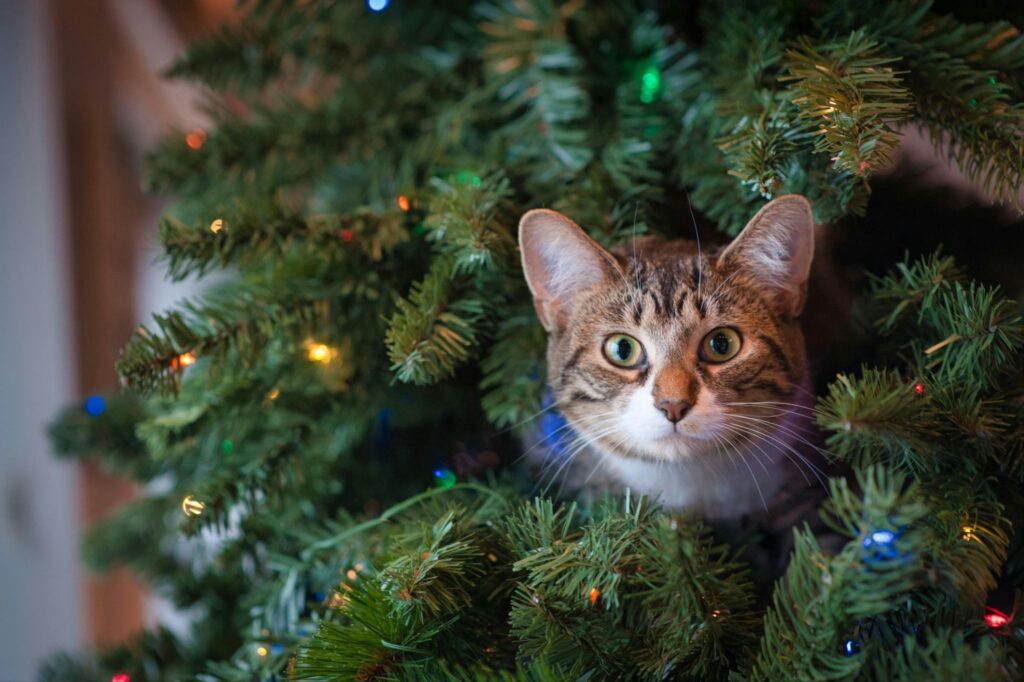
Photo: Pexels/thepaintedsquare
The oils from fir, spruce, and pine trees are mildly toxic to cats and dogs, potentially causing gastrointestinal upset if pets chew on branches. Sharp needles can irritate mouths or cause blockages if swallowed, while the water reservoir at the tree’s base becomes a breeding ground for bacteria that can make pets ill.
4 – Buckeye Nuts
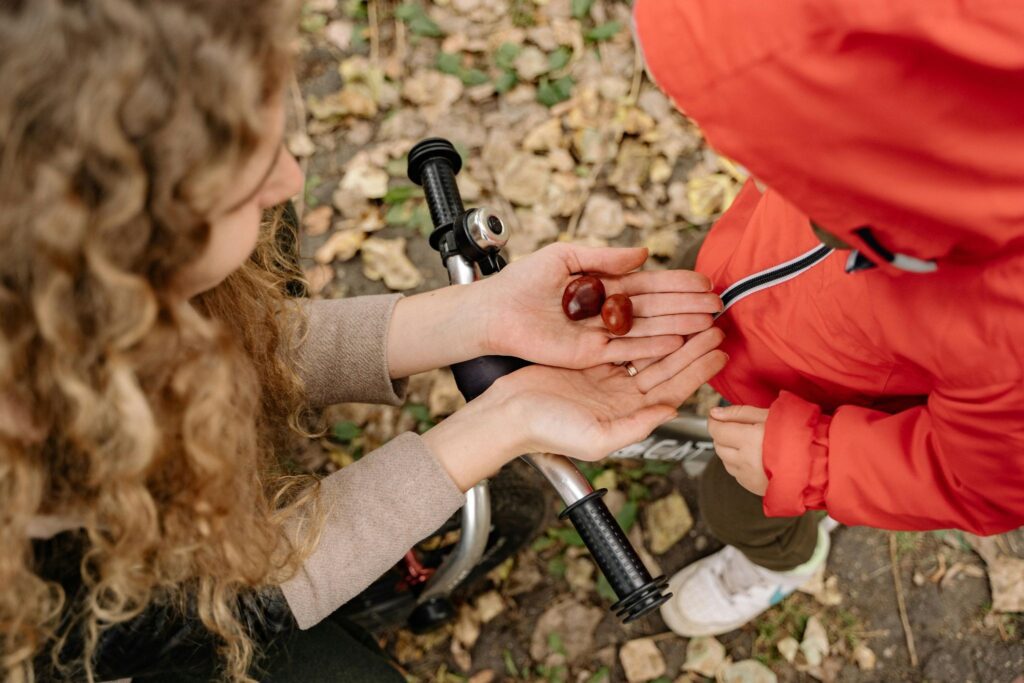
Photo: Pexels/Yan Krukau
Often incorporated into holiday displays and wreaths, buckeye nuts contain toxic glycosides that affect the nervous system. Ingestion can cause vomiting, diarrhea, excessive drooling, muscle tremors, seizures, or paralysis in severe cases, making this a genuine medical emergency requiring immediate veterinary attention.
5 – Amaryllis
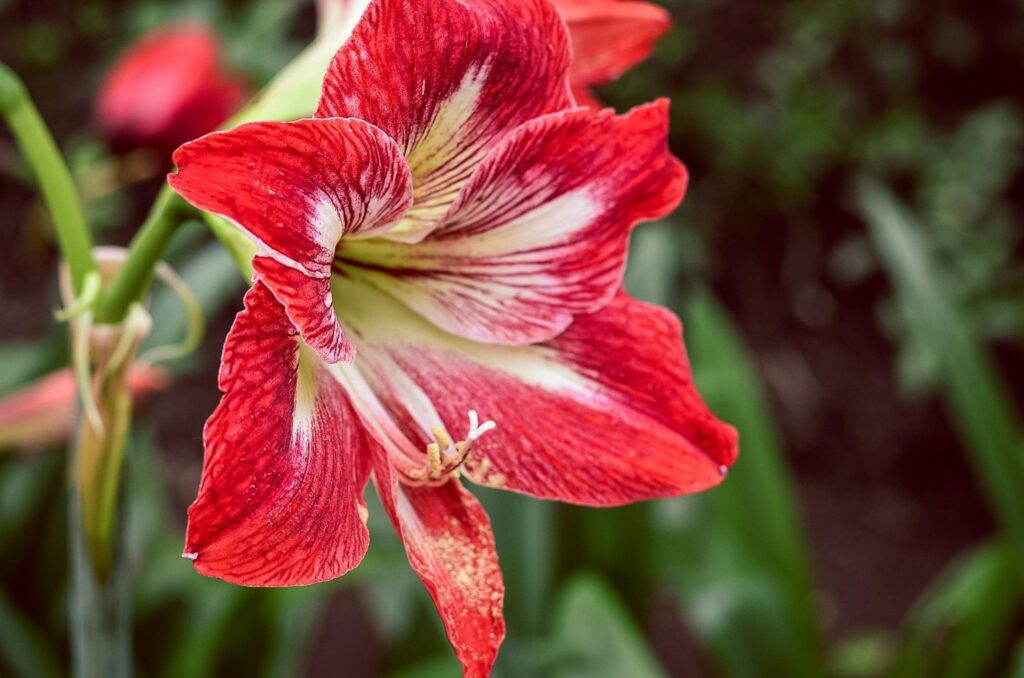
Photo: Pexels/NO NAME
These popular holiday flowers contain phenanthridine alkaloids, with the bulb being the most toxic part. Ingestion can result in intense vomiting, severe abdominal pain, excessive drooling, tremors, and in serious cases, seizures or dangerous drops in blood pressure. Frequently given as gifts during December and January, amaryllis bulbs are particularly accessible to household pets.
6 – Poinsettias
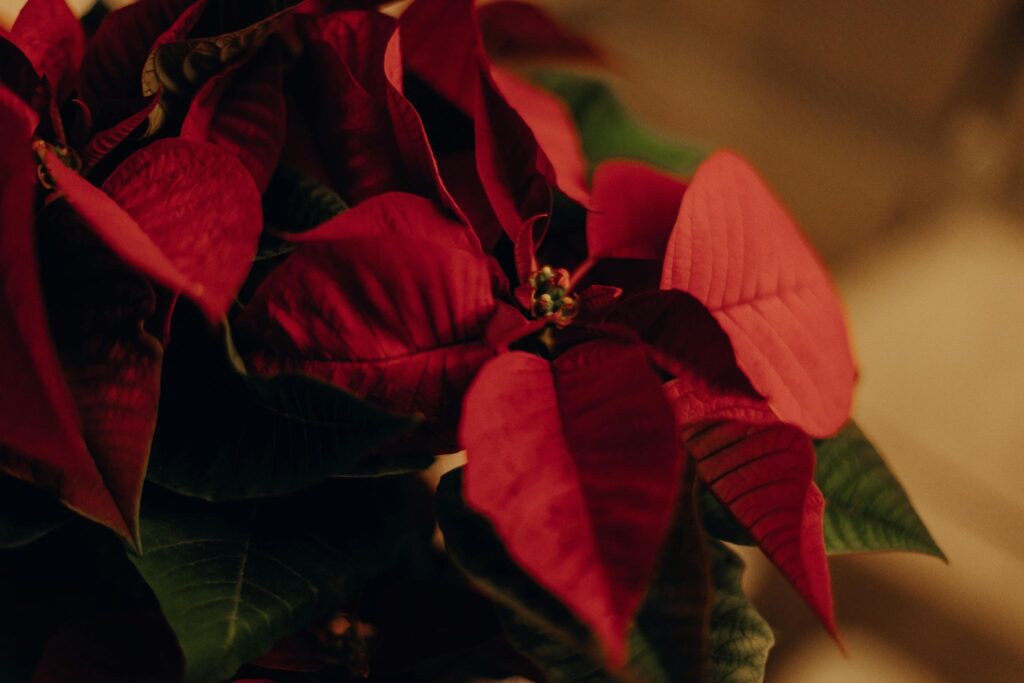
Photo: Pexels/Juan Pablo Serrano
While less toxic than their reputation suggests, poinsettias still cause problems for pets. The milky white sap can irritate a pet’s mouth, stomach, and skin, causing drooling, oral pain, vomiting, and diarrhea. Though symptoms are usually mild, the discomfort is genuine and their ubiquitous holiday placement makes them readily accessible to curious pets.
7 – Lilies
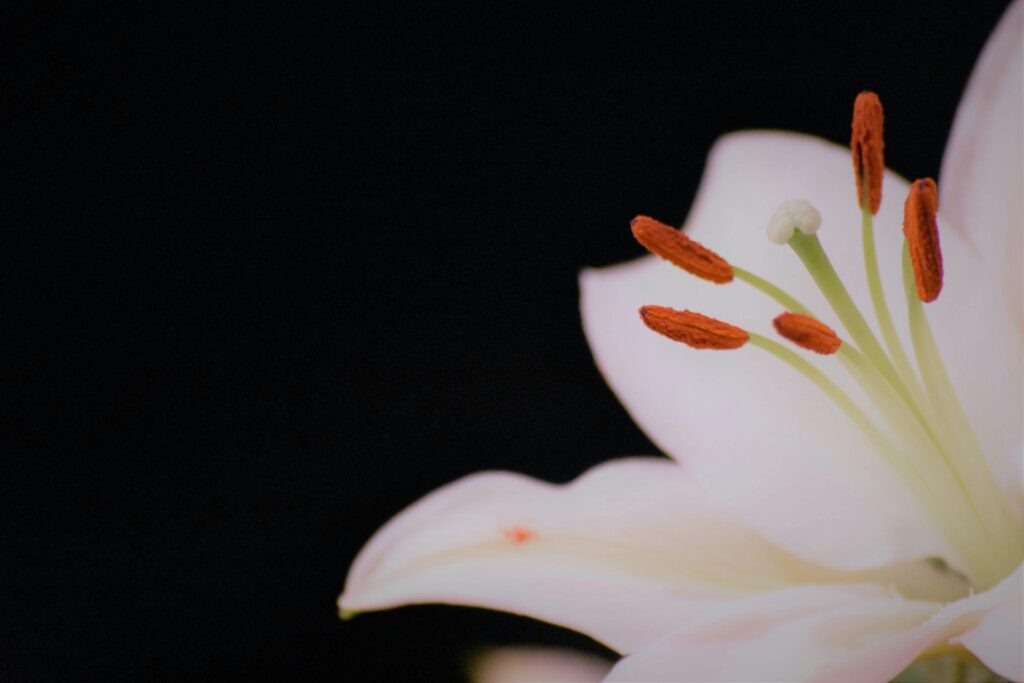
Photo: Pexels/Trina Snow
True lilies are extremely dangerous to cats, ingesting just two or three leaves, licking pollen, or drinking vase water can cause rapid kidney failure and prove fatal without immediate veterinary care. While less severe for dogs, lilies still cause vomiting, diarrhea, and oral irritation. All parts of these common winter bouquet flowers are toxic.
Elliott Garber, founder of Creatures, has commented,
“The Christmas period brings an influx of seasonal plants into our homes, many of which look beautiful but can pose serious dangers to our pets. While most pet owners are aware that poinsettias can cause mild irritation, far fewer realize that plants like mistletoe, buckeye nuts, amaryllis, and especially lilies can be genuinely life-threatening, particularly to cats.
“If you already have these plants and can’t remove them, pet-safe bitter sprays like Bitter Apple can be applied directly to leaves and stems. These non-toxic sprays taste extremely unpleasant to pets but won’t harm plants. However, these deterrents should never replace proper supervision and placement, they’re simply an additional safety measure.
“There are excellent pet-friendly alternatives available. Christmas cacti, bromeliads, orchids, and roses (without thorns) are all considered non-toxic options that provide festive color without worry. For traditional greenery like holly and mistletoe, consider high-quality artificial versions.
“If you suspect your pet has consumed any part of a toxic plant, contact your veterinarian or emergency pet poison helpline immediately – don’t wait for symptoms. Early intervention can make the difference between a full recovery and a tragedy. The festive season should be joyful for every member of the family, including our four-legged friends.”
ENDS
If using these insights, please credit and link to https://creatures.com/
Expert:
Elliott Garber, founder of Creatures – https://www.linkedin.com/in/elliottgarber/