
An Architect of This Country Almost Forgotten in Corn field
Photos courtesy Andy Chandler
“Resolved, That these United Colonies are, and of right ought to be, free and independent States, that they are absolved from all allegiance to the British Crown, and that all political connection between them and the State of Great Britain is, and ought to be, totally dissolved.
That it is expedient forthwith to take the most effectual measures for forming foreign Alliances.
That a plan of confederation be prepared and transmitted to the respective Colonies for their consideration and approbation.”
Lee Resolution
What if I told you that the Declaration of Independence was simply that, a declaration, and not a legislative document? While most people are familiar with the line,”we hold these truths,” spoken on July 4, 1776, it was the Lee Resolution voted on two days before that was the real article of independence. There’s a reason John Adams proposed that Independence Day be celebrated on July 2. If Jefferson was the voice of Independence, Lee was it’s architect.
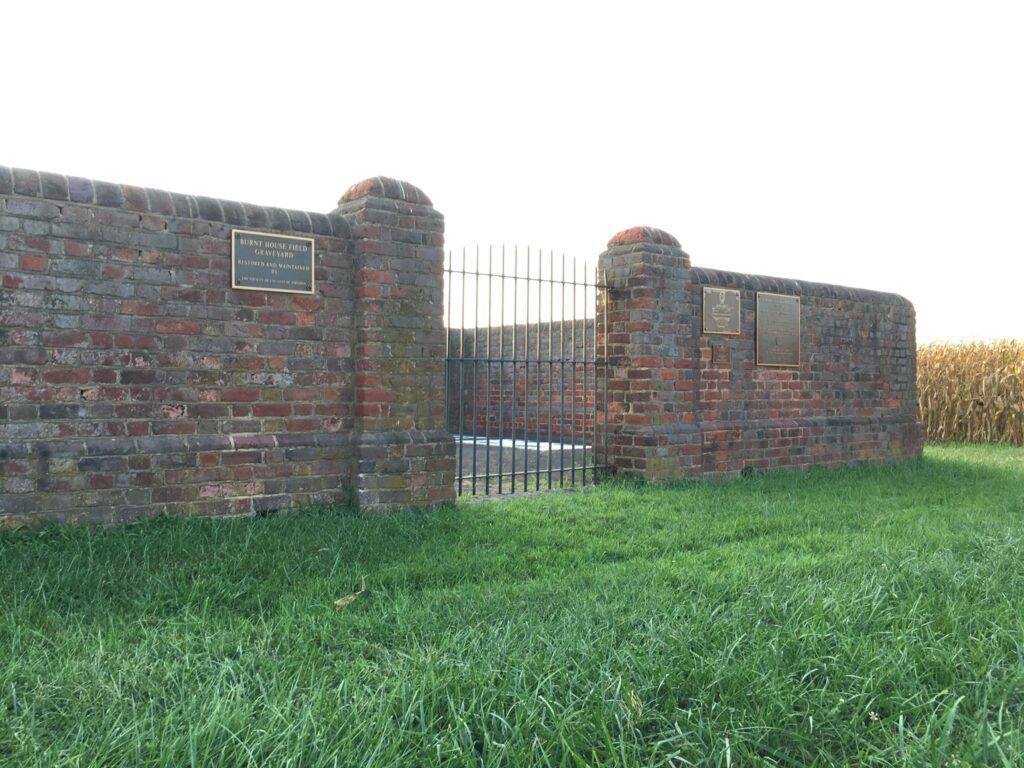
Now what if I told you the man who proposed independence was Richard Henry Lee, and that he is buried in a corn field?
Richard Henry Lee was born in 1732 in Westmoreland Co., Virginia. He was part of the famous Lee family whose members include Light Horse Harry Lee and Robert E. Lee. At 16, he was sent abroad to study at Queen Elizabeth Grammar School in Wakefield, England.
Returning to the colonies in 1753, Lee pursued a career in politics. Lee was very much about what we today term self-determination. In fact, he drafted the Westmoreland Resolution of 1766, a grievance against the King’s taxation, a full 10 years before the Declaration.
In 1774, he was elected to the Continental Congress where he signed the Articles of Association, the Declaration, and later, the Articles of Confederation. The only person to have signed more of the founding documents was Roger Sherman, who signed all four.
On June 7, 1776, Lee proposed the Lee Resolution, which was the legal motion by the Congress to seek Independence. During the month-long debate, a concurrent group, known as the Committee of Five, were meeting. They were Thomas Jefferson, John Adams, Benjamin Franklin, Philip Livingston, and Roger Sherman.
So, the Resolution and Declaration existed concurrently: one, a legal document, the other, a proclamation. The Resolution was voted on July 2, and the Declaration was announced on the 4.
Lee returned home. Because of bouts of epilepsy, he couldn’t fight. Eventually, he was elected back to the Congress and became President of the Congress from 1784-85. During his time there, the Land Ordinance Act of 1785 was passed, opening the Northwest Territory to settlement.
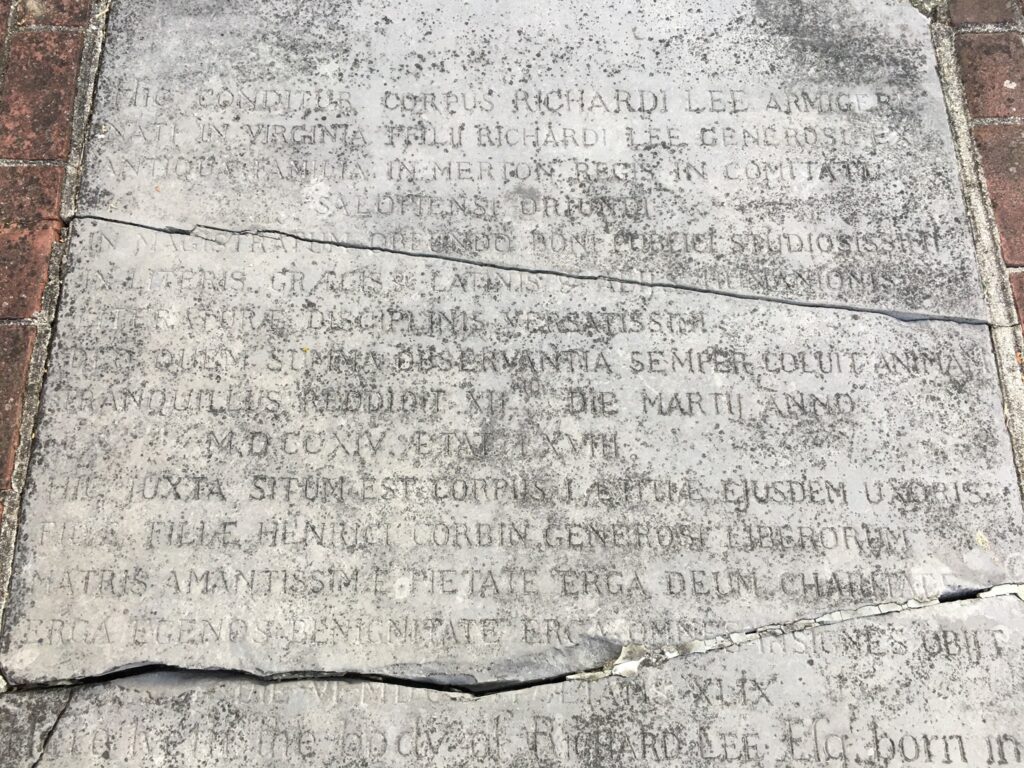
Eventually, under the US Constitution, in 1792 Lee became the president pro tempore of the Senate during the 2nd Congress. He eventually retired due to illness later the same year and would pass two years later and was buried at the family estate.
Interestingly, the 1792 Presidential Succession Act placed the President Pro Tempore of the Senate behind the vice president in succession making him third in line to the presidency.
U.S. Presidents, have it good after death. Grant’s Tomb, Garfield’s Tomb and JFK on the hillside in Arlington to name a few. However, Signers’ graves are in some bizarre places. George Clymer is buried under a parking lot in Trenton, N.J. Richard Stockton’s gravestone is unidentified in Princeton. George Walton and Lyman Hall are buried under a street in Augusta, Ga.
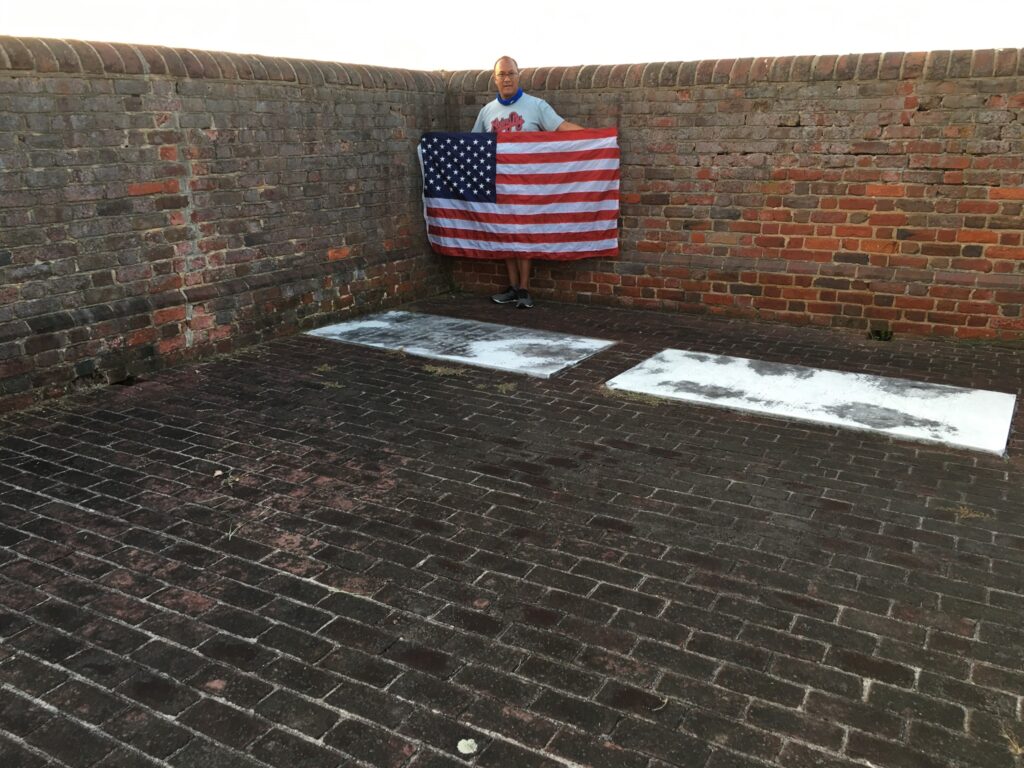
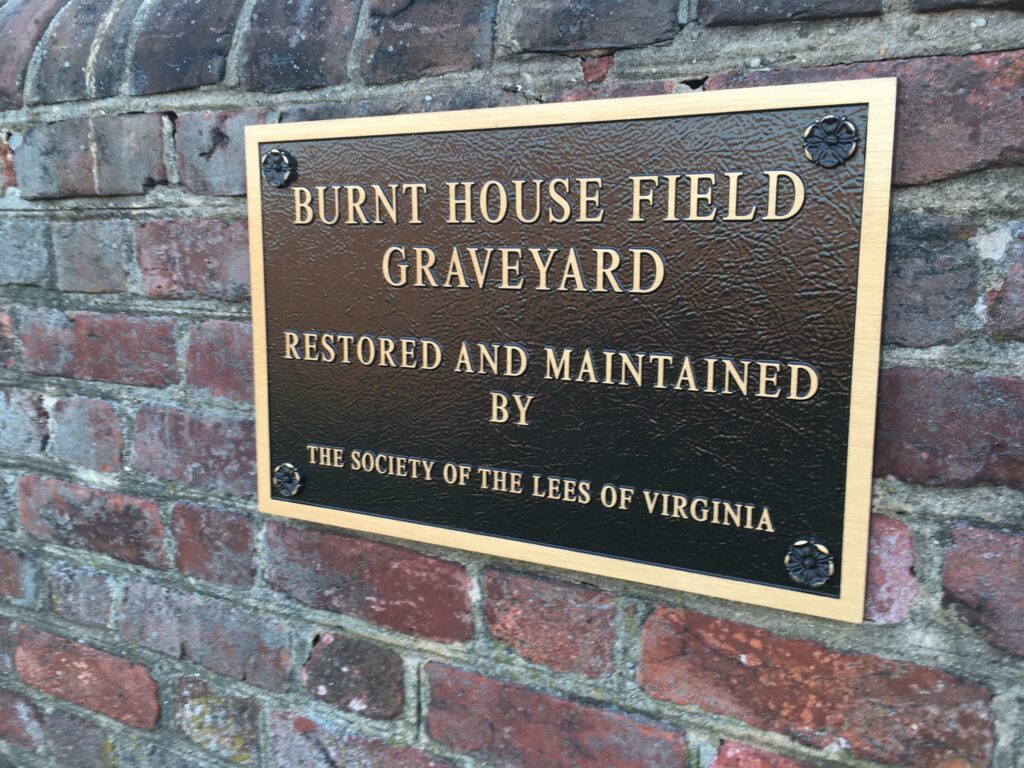
Lee would be buried in the old family cemetery just north of what is now Hague, Va. Land sales and the passage of time mean the property is now farmland and a cornfield.
One evening, after nearly getting arrested at Sherwood Forest (see my article on John Tyler), my wife and I drove out to the farm. The farmer didn’t even bother to ask what we were doing and waved us through.
In the fading light, I got out an American flag and had a photo taken. How profound, the architect of our independence, who opened our territories to settlement, is now in a corn field.